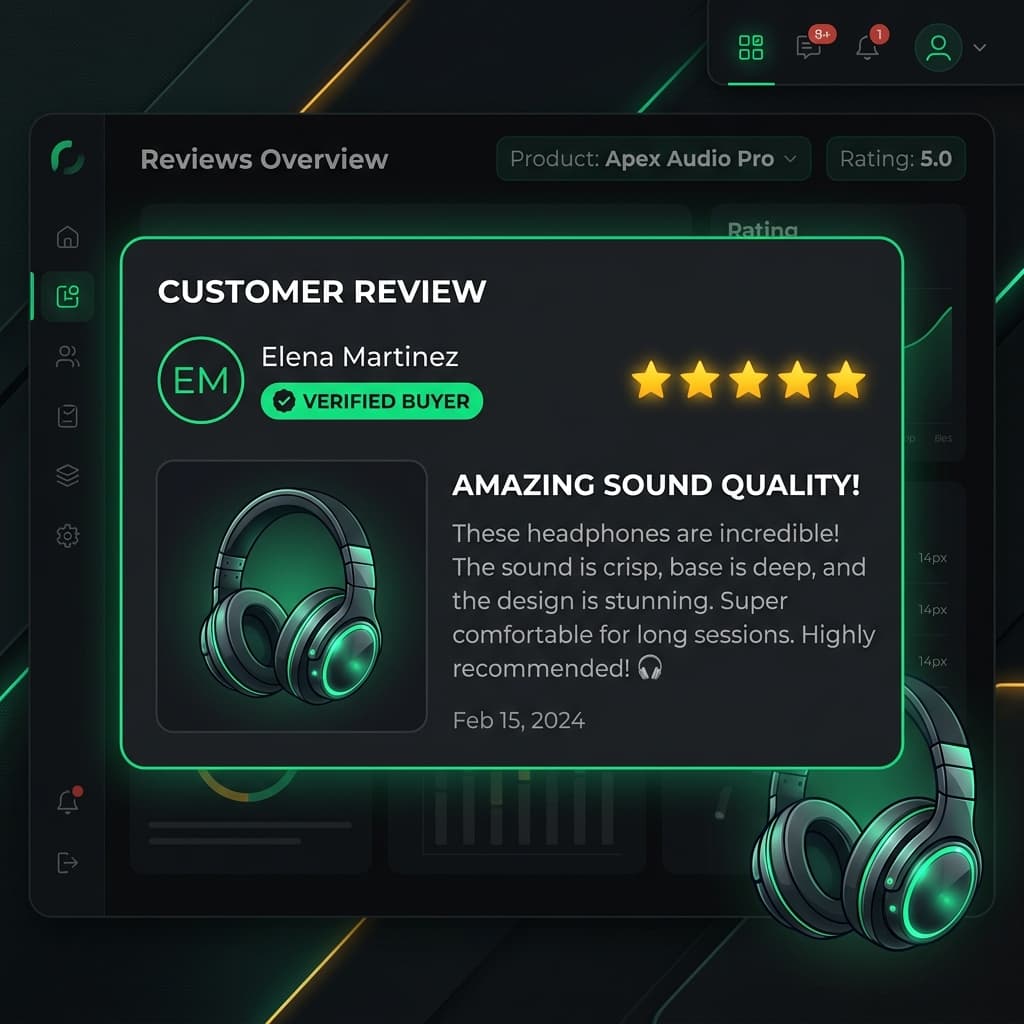
As consumer reliance on online reviews has grown, global regulatory bodies-such as the US Federal Trade Commission (FTC), the EU Consumer Rights Directive, and equivalent regional authorities-have instituted strict rules governing online reviews and testimonials.
The Boundary Between Design Mockups & Deceptive Practice
Approved Creative Uses
Generating review-style graphics using tools like ReviewCraft is completely ethical when used in:
- Internal design wireframes and Figma files.
- Portfolio projects showcasing UI/UX design capabilities.
- Pitch deck presentations for unreleased software concepts.
- Educational materials and marketing training workshops.
Unlawful & Prohibited Uses
It is strictly illegal and unethical to:
- Publish fabricated reviews as real customer feedback on a live commercial e-commerce site.
- Post generated review screenshots on third-party review platforms (e.g. Google, Yelp, Trustpilot).
- Falsify verified buyer badges on real products.
Best Practices for Responsible Product Design
When building live production web apps, developers and founders should:
- 1Integrate real customer review APIs (e.g. Yotpo, Trustpilot API, Google Business API).
- 2Clearly mark incentivized reviews (e.g. "Received free product in exchange for honest review").
- 3Maintain a transparent moderation policy that does not suppress legitimate negative reviews.
Ethical Design Disclosure
ReviewCraft is intended strictly for wireframing, client pitches, UI prototypes, and educational demos. Never publish simulated reviews as real customer feedback on live commercial storefronts.